I spent three days at the Sputnik Girls Home in Kurunegala, in late June, at the end of a week’s holiday in Sri Lanka with my cousin. 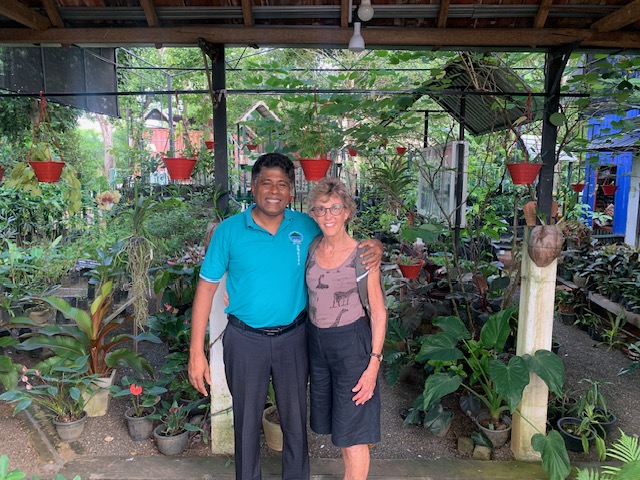
Our driver/guide for the week was Kit Tennakoon, who had been the guide for Peter and Bev Cribb on their own visit to SL and thus came well recommended. Kit has a Diploma in Archaeology and Cultural Tourism so his indepth knowledge was most appreciated during our visit to several UNESCO cultural sites. Besides being an active freelance licensed tour guide, he is the Co-Chairman of the Girls’ Home as well as in charge of the Volunteer Program. He will also be accompanying our Club’s delegation in Sri Lanka at the end of September and he has been liaising with Peter to set up the itinerary.
Our driver/guide for the week was Kit Tennakoon, who had been the guide for Peter and Bev Cribb on their own visit to SL and thus came well recommended. Kit has a Diploma in Archaeology and Cultural Tourism so his indepth knowledge was most appreciated during our visit to several UNESCO cultural sites. Besides being an active freelance licensed tour guide, he is the Co-Chairman of the Girls’ Home as well as in charge of the Volunteer Program. He will also be accompanying our Club’s delegation in Sri Lanka at the end of September and he has been liaising with Peter to set up the itinerary.
The Girls’ Home has been operating since 2007 and is currently home for 20 destitute, abandoned and orphaned girls. It provides more than just shelter; their comprehensive approach includes education, emotional support and skill development to help young girls overcome challenges and take a place in society. I stayed in the Volunteers’ Guesthouse along with three Danish women who had been volunteers for 3-4 weeks.
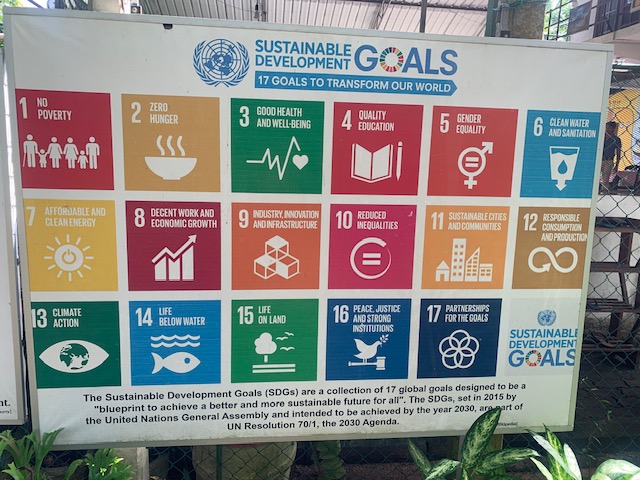
On arrival at Sputnik I was greeted by Dr Eshantha Ariyadasa, founder, director and driving force behind the home. After a delicious curry lunch, he took me on a tour of the property, which was most impressive, especially seeing how Sputnik has contributed to the ‘United Nations Sustainable Development Goals (SDG’s), 17 goals to transform our world.’ The SDGs are a collection of 17 global goals designed to be a blueprint to achieve a better and more sustainable future for all. The SDGs were set in 2015 by the UN General Assembly and intended to be achieved by the year 2030. All of these goals had already been implemented at Sputnik.
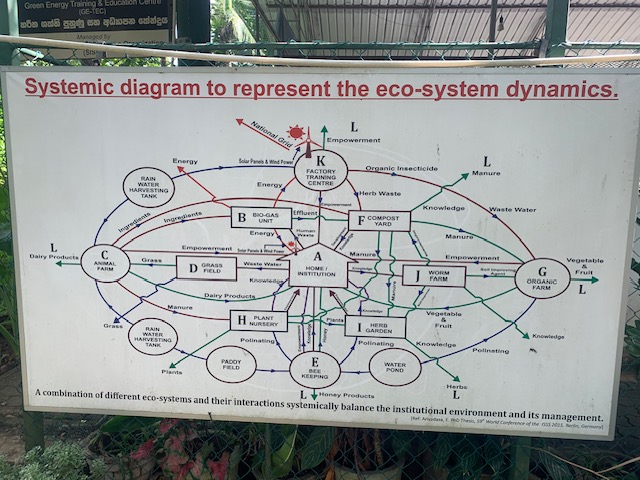
Sustainable living is at its core. Their bio-gas initiative converts organic waste into clean energy, reducing their carbon footprint and educating the girls about renewable energy and responsible resource management. They have an organic farming program which supplies fresh produce for the residents and serves as an educational tool, teaching the girls about agriculture and sustainable living.
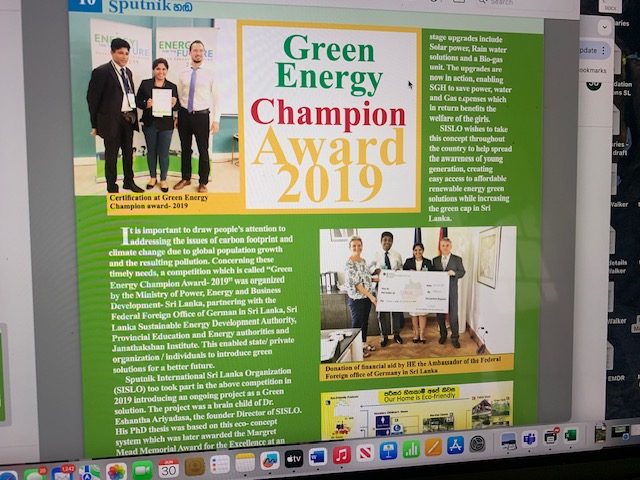
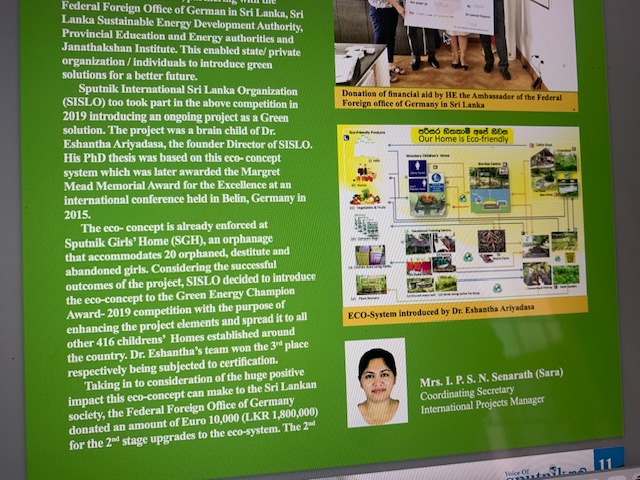
As their eco-concept was already enforced at the Girls’ Home, in 2019 Sputnik decided to enter a competition called “Green Energy Champion Award” organised by the Ministry of Power, Energy and Business Development in Sri Lanka, partnering with the German Federal Foreign Office in SL. Dr Eshantha’s team won the 3rd place respectively being subjected to certification. Eshantha’s PhD thesis had been based on this eco-concept system which was later awarded the Margret Mead Memorial Award for Excellence at an International conference held in Berlin Germany in in 2015.
During my three days at Sputnik, I joined with the volunteers in their work duties - my first day preparing the green jackfruit for a traditional curry dish. This fruit is popular as a meat alternative, due to its texture and ability to absorb flavours when unripe. When cooked down, it resembles stringy chicken or pulled pork. The preparation is hard and messy work and involved several staff. A few of the older girls also participated. The next day it was time to prepare the ripe jackfruit, a similar process, but a completely different taste, very sweet, reminiscent of the flavours of banana, pineapple and mango.
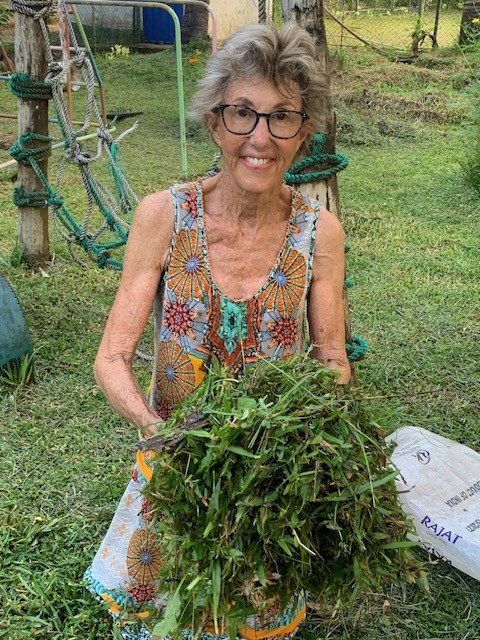
I also helped with weeding the gardens and raking leaves, playing card games with the girls after school and practising English conversation with them. The older girls were interested in my laptop and seeing photos of Australia, its flora and fauna, and fascinated to see how Sri Lanka was similar to the size of Tasmania yet vastly different in population (22 million vs 580,000). I witnessed an art class after school one afternoon and was impressed by the standard. I was aware that their crayons are very worn down and took note that new sets would be an excellent item to bring by the Rotarian delegation.
Breakfast, lunch and dinner were an assortment of curries, although there was always fresh fruit including papaya, mangoes and bananas (they have their own banana trees). Coconuts also in plentiful supply on the property were grated and added to many dishes. Avocadoes are prolific in the country and were often part of the meal. Their fridge was very small and could hardly manage to contain the fresh produce harvested in the organic farm, the fresh milk from their cows, and other supplies. The food was cooked using a wood fire. I was amazed that from this simple kitchen, such a variety of nutritious food could be prepared.
Several women worked there, always managing to be cheerful, despite the humidity and heat (33-35 degrees), the ants, flies and lack of modern equipment. Nothing at Sputnik is wasted. There are several bins for recycling, whether it be glass, paper and cardboard, steel, plastic, coconut shell or food scraps. It’s all part of their sustainable living program. Naturally they have a wonderful compost system including worm farms and bee-keeping. They make their own liquid fertilizer which they also sell to the public.
The young girls start school at 6.30am and finish by 2pm. I managed to catch some of them one day as they walked home from school, still looking fresh in their white dresses, which is the normal uniform for the whole country (white trousers and shirts for the boys).
On my last day, I visited the Sputnik International Education Campus, about a 20 minute walk from the Girls Home.
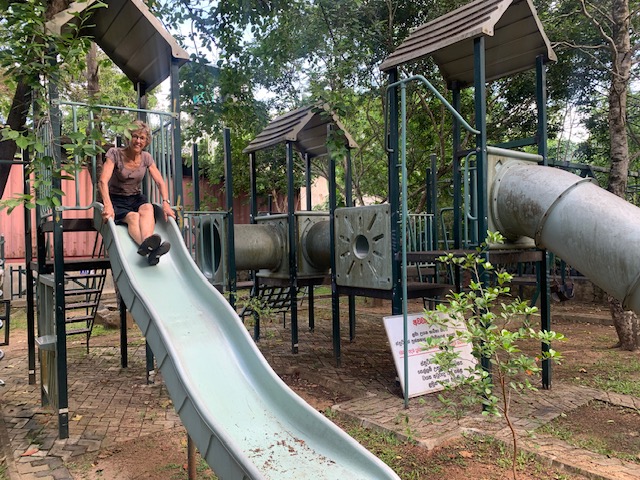
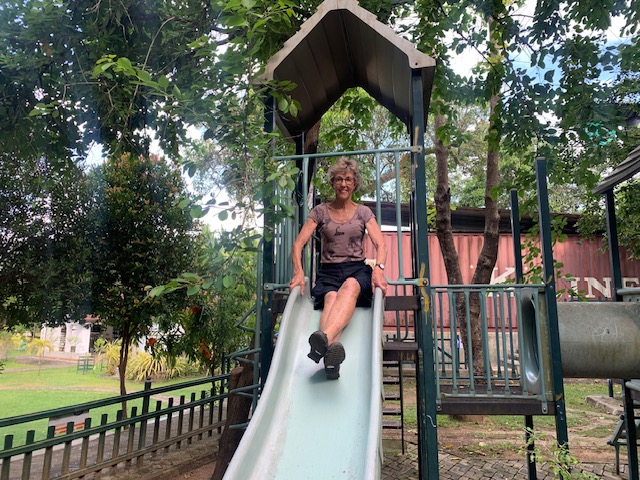
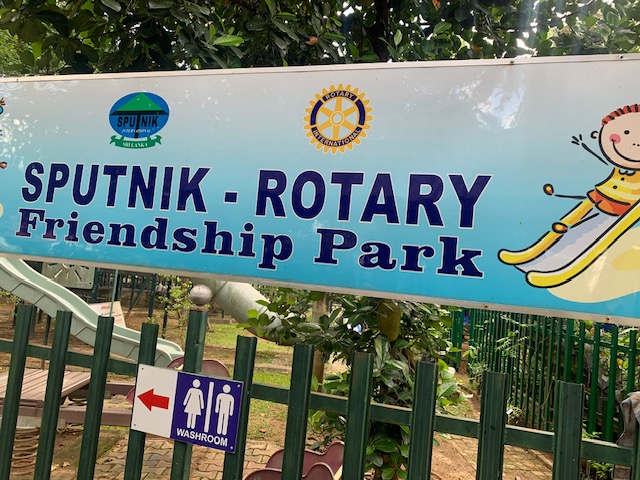
I met Darryl Chappell , who is the Intercultural Project Coordinator for Sputnik International, who gave me a tour and I was delighted to climb the slide in the first playground donated by RORP. This is open to the public every day and is adjacent to the nursery, shop and café operated by Sputnik for the community.
The Campus serves as the main beneficiary of the Sputnik Girls’ Home, as well as many of Sputnik’s broader welfare initiatives. Primarily functioning as a Japanese Language Institute, the Campus accommodates around 80-100 students at any given time. In addition to offering various levels of Japanese language education, the Campus provides pathways for students to train as Specified Skilled Workers (SSW) in the food service and caregiving sectors - two fields in high demand in Japan. They also provide a gateway for students wishing to attend higher studies at Japanese Universities with visa and application support. Hostel facilities are offered for students from distant areas, including those enrolled in the SSW training programs.
Beyond academics, the campus maintains a strong community focus. It hosts a free public library open 365 days a year, offers weekend music, dance, art, and martial arts (Wushu) classes, and manages the Rotary Friendship Playground - ensuring it remains open and accessible to the local community.
Sputnik International is the Global Affiliate for AFS Intercultural Programs. It serves as a key organization facilitating AFS exchange programs and intercultural learning experiences, and has sent students to Japan, France and Italy with the hope to expanding this next year. The Campus is primarily geared towards school leavers and older youth seeking further education and training opportunities. The name ‘Sputnik’ is derived from the Russian word for ‘travelling companion’, symbolizing the organisation’s aim to foster global connections and shared experiences.